01 / Content
Prepare the visual script.
Reference tools and algorithms support the preparation of show content.

A closer look at the light, positioning, dock operations and software behind a drone-show reference system.
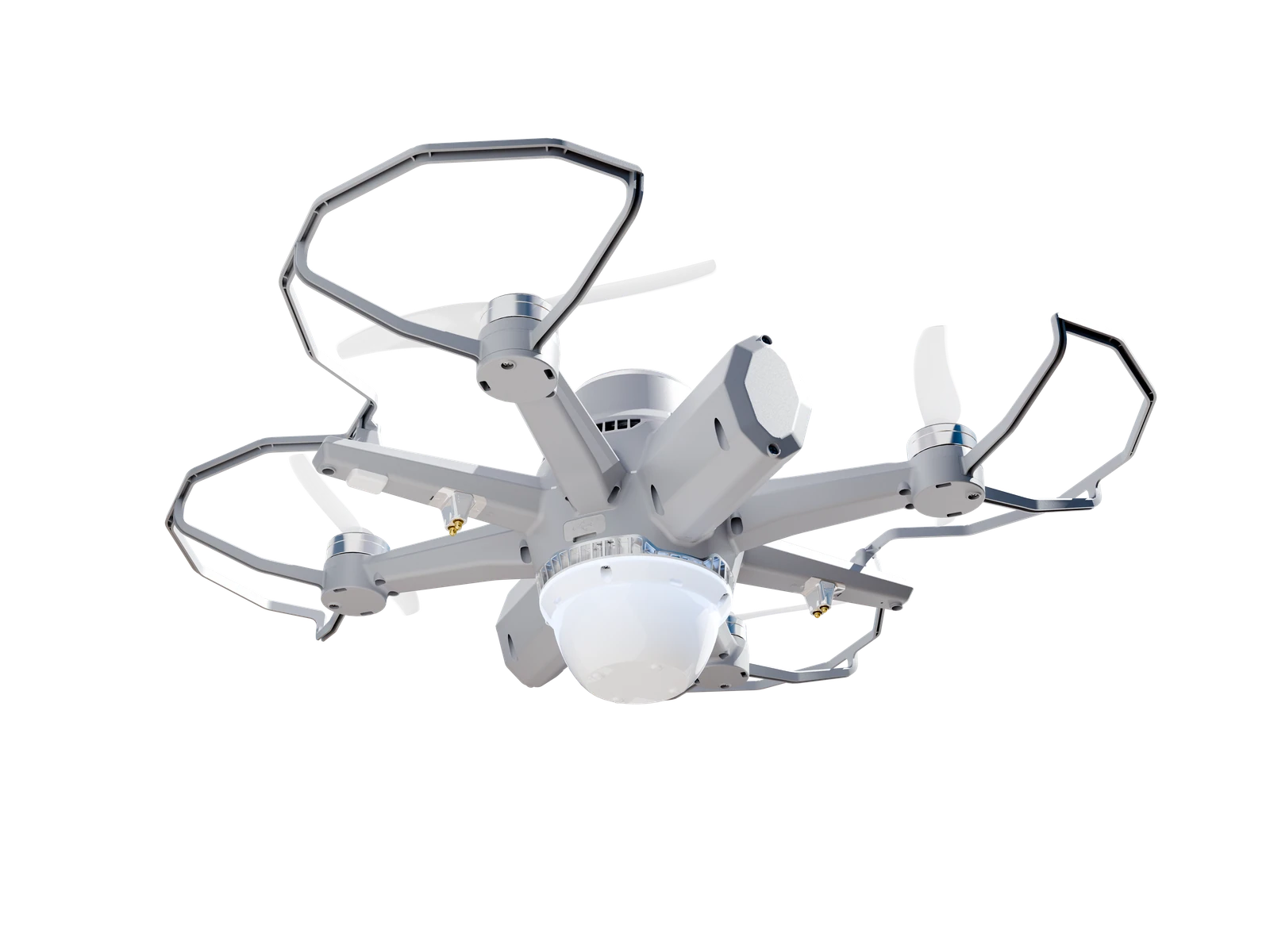
01 / Meet the system
Explore four parts of the reference system. The figures below are reference specifications, not promises about a particular event.
Technology reference image01 / Light
The reference specification describes RGBW lighting, multi-colour strobe effects and an upgraded filling algorithm with real-time compensation.
Reference figures, not a confirmed StingraySky configuration. Show content and viewing conditions still shape the final result.
Technology reference image · Grid is illustrative02 / Precision
The reference positioning system uses upgraded RTK with GPS, GLONASS and BDS support.
Reference figures under normal RTK operation. These are not a guarantee of event-specific positioning or artwork fidelity.
 Technology reference image · Not a Cayman venue
03 / Docking
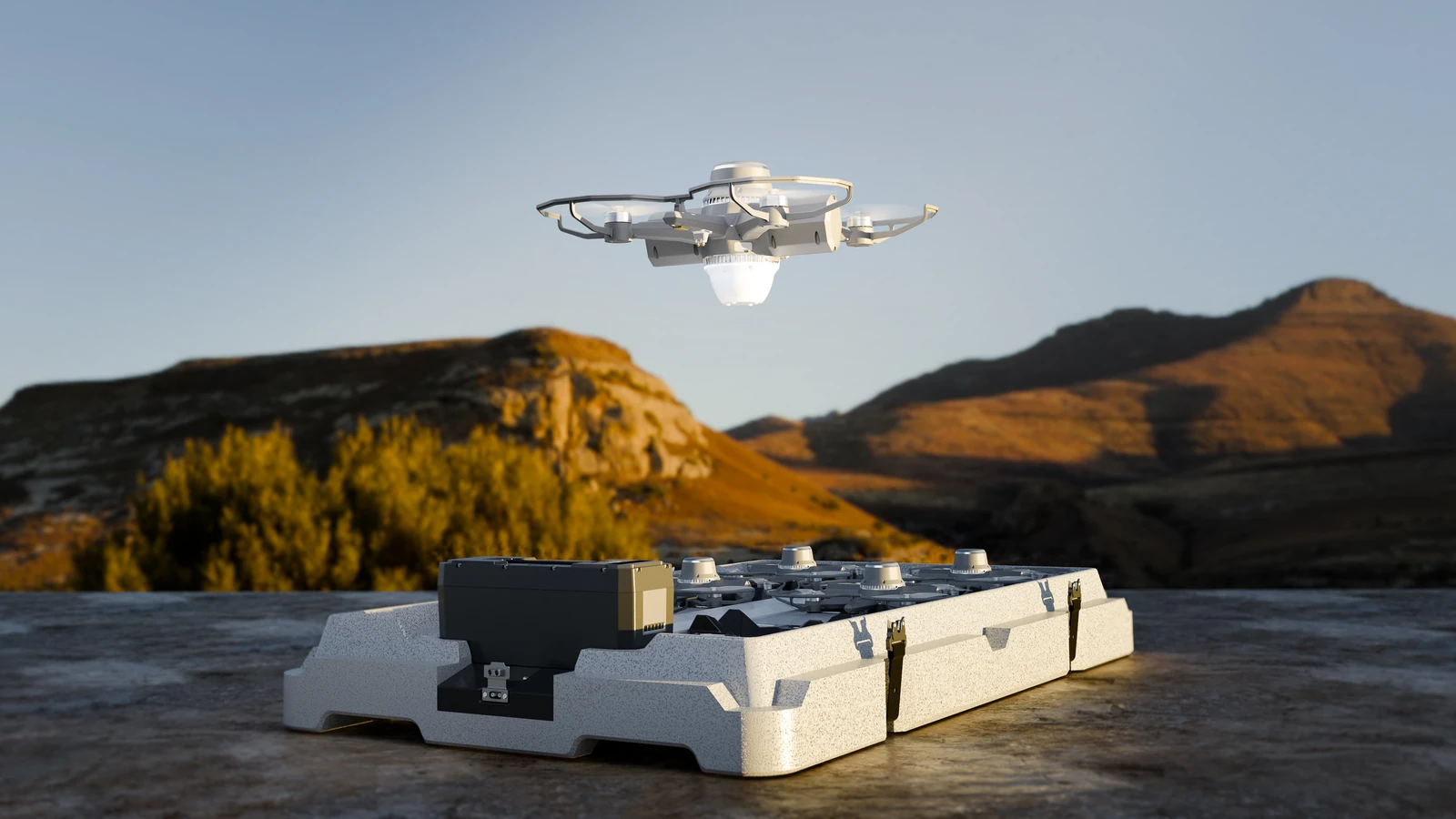
The reference system’s built-in batteries charge after landing. The reference material also lists remote batch power-on and a 24-aircraft docking case.
The charging interval is separate from airborne show time. The listed show duration is within 15 minutes.
Technology reference image04 / Protection
The reference material lists an automatic parachute, a one-command termination function and multi-layer communications redundancy.
Protective features do not remove operational risk. Exact equipment, setup and use conditions require operator confirmation.
02 / Behind the scenes
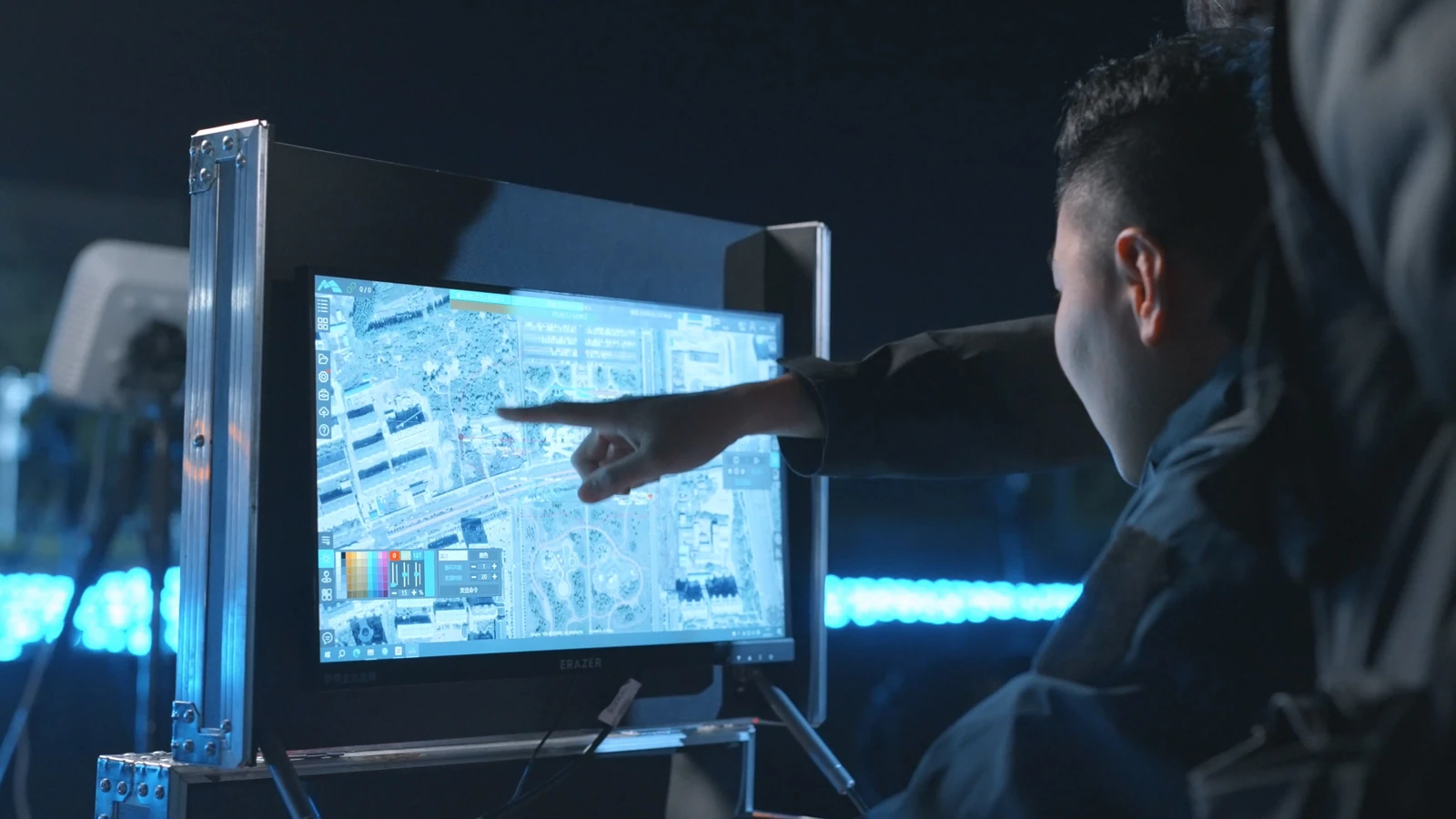
01 / Content
Reference tools and algorithms support the preparation of show content.
02 / Coordination
Remote batch power-on and automated flight are listed reference functions.
03 / Dock operations
Landing and automatic charging form part of the published operating cycle.
03 / The detail
22 reference specifications, grouped for a clearer view of the system. Conditions stay with the figures they qualify.
| Overall dimensions | 308 × 308 × 124 mm |
|---|---|
| Wheelbase | 230 mm |
| Aircraft mass | 565 g |
| Lighting power | 24 W |
| Strobe capability | Supported |
| Positioning system | Upgraded RTKGPS, GLONASS and BDS supported. |
|---|---|
| Positioning accuracy | 8 mm horizontal / 15 mm verticalUnder normal RTK operation. |
| Maximum performance speed | 10 m/sReference figure for swarm performance speed. |
| Communication range | 2 kmEquipment specification, not a permitted operating distance. |
| Maximum wind-resistance figure | 8 m/sNot a guarantee that a particular event can operate in these conditions. |
| Suggested show duration | Within 15 minutesThis is reference show-time guidance, not a booked show length. |
|---|---|
| Battery arrangement | Built-in |
| Charging method | Automatic after landing |
| Power-on method | Remote, in batches |
| Docking-case capacity | 24 aircraft |
| Single-power-station capacity | 3 showsReference figure; configuration and conditions need confirmation. |
| Interval before re-flight | 40–60 minutesAutomatic charging; no battery replacement required in the described cycle. |
| Reference site-demand figure | 250 m² per 1,000 dronesNot a complete event-site or spectator-separation requirement. |
|---|---|
| Operating temperature | −20°C to 50°CPreheating required below 0°C. |
| Ingress-protection rating | IP54The source adds light-rain and warranty qualifications; operator guidance applies. |
| Parachute function | Automatic protectionAvailability and correct configuration must be checked with the operator. |
| Parachute opening altitude | 30–60 mReference range, not a general show altitude or operating instruction. |
The reference notes light-rain classification GB/T 28592-2012 and warranty limitations in its IP54 messaging. Do not interpret a rating, communication range, wind figure or site-demand number as approval for a specific show.
Technology in service of a moment